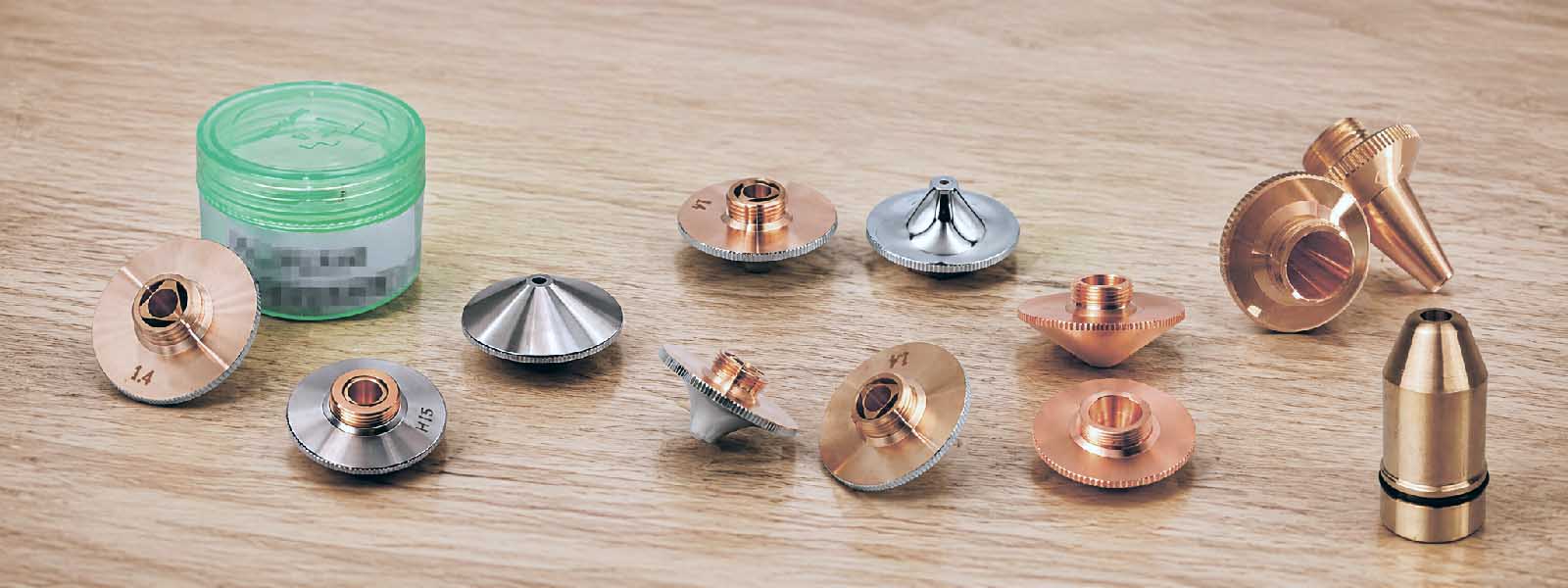
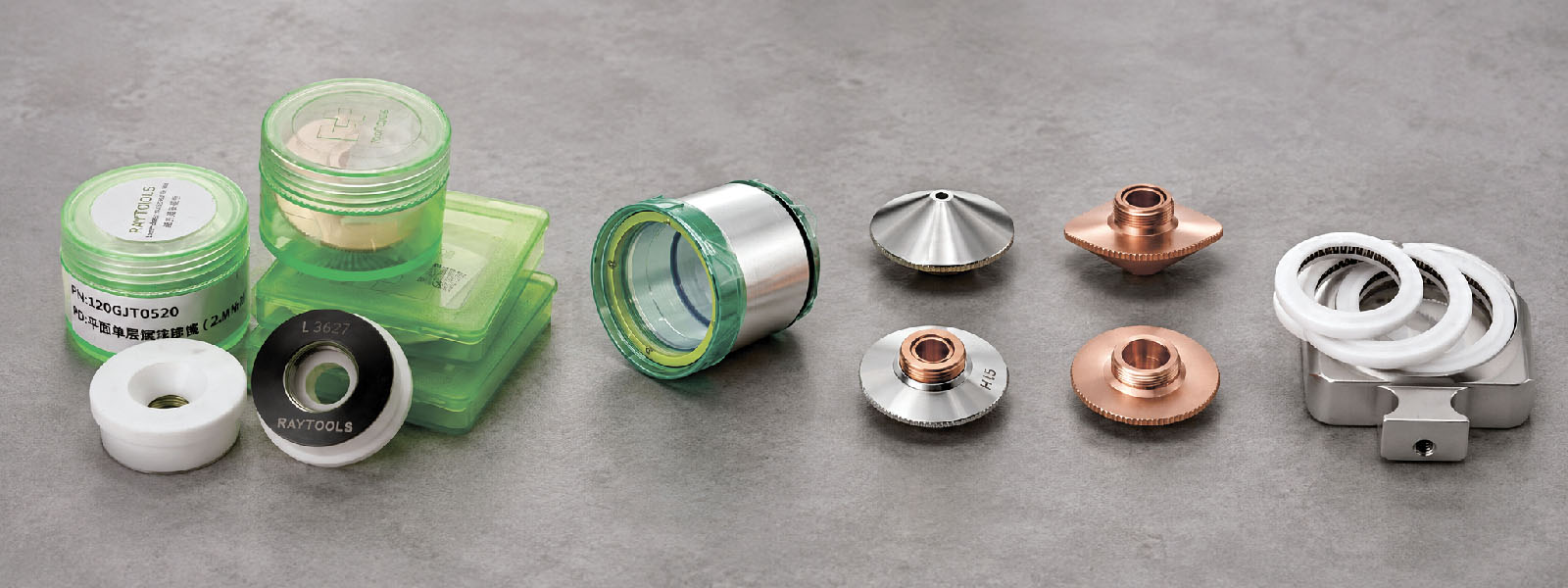
A fiber laser cutting machine can stop because of a very small part: a nozzle, ceramic body, protective window, seal or sensor-related component. This is important not only for large factories, but also for small workshops with one or two laser machines.
A small workshop does not need a large warehouse. But it needs a controlled minimum stock of critical consumables. The goal is simple: keep the machine running and avoid emergency downtime caused by a part that should normally be available near the machine.
This article explains which consumables are usually important, how to plan basic stock, and how to avoid storing too many parts that the workshop does not really use.
Why Consumables Stock Matters Even for One Laser Machine
Many workshops think about spare parts only after a problem appears. This is risky. A laser cutting machine may be in good condition, but production can stop if there is no correct nozzle, ceramic body or protective window.
Typical situations:
- the nozzle is damaged after a collision;
- the protective window is contaminated or burned;
- the ceramic body is cracked;
- a seal is lost during maintenance;
- the available nozzle has the wrong diameter or thread;
- the operator continues cutting with a damaged consumable because there is no replacement.
Urgent delivery does not always solve the problem on the same day. Even one day of downtime can cost more than a basic set of consumables. For this reason, consumables stock is a production stability issue, not just a purchasing issue.
What Consumables Are Usually Critical
The exact list depends on the cutting head model and machine configuration, but most fiber laser workshops should control these groups:
- nozzles;
- ceramic bodies or ceramic rings;
- protective windows;
- seals and O-rings;
- optical cleaning materials;
- protective window holders or cartridges, if used;
- small sensor-related parts, if they are critical for the machine;
- selected cables or connectors for high-risk machines.
Not every workshop must keep all possible parts. The correct stock depends on real production: what materials are cut, which gases are used, how many hours the machine works, and how quickly parts can be supplied.
Nozzles: The First Consumable to Control
The nozzle directs assist gas into the cutting zone. It affects melt removal, piercing stability, edge quality and gas consumption. A damaged or incorrect nozzle can create burrs, unstable piercing, poor cut quality or asymmetric cutting.
A workshop should not store every possible nozzle size. It should keep the nozzle types that are actually used in daily or weekly production.
Control the nozzle stock by:
- diameter;
- type;
- thread;
- cutting head model;
- assist gas;
- material group;
- successful cutting programs.
If the workshop cuts carbon steel with oxygen and stainless steel with nitrogen, these processes may require different nozzle types. If compressed air is used, this should also be considered.
The best nozzle stock is based on real cutting programs, not on a random set of sizes.
Ceramic Bodies and Ceramic Rings
The ceramic body is not just a mechanical holder. It helps position the nozzle and is connected with the height sensing system. If the ceramic body is damaged, the machine may show unstable height control, sensor errors or nozzle contact with the sheet.
A ceramic body can be damaged by:
- head collision;
- incorrect nozzle installation;
- contamination;
- poor contact;
- mechanical shock;
- long use in difficult cutting conditions.
A workshop should keep at least a basic reserve for each cutting head model. If there are different heads on different machines, ceramic bodies should not be mixed. Similar-looking parts may not be compatible.
Without a spare ceramic body, a small collision can stop the machine even if nozzles and protective windows are available.
Protective Windows: Small Part, High Risk
The protective window protects internal optics from dust, smoke, spatter and back reflection. It is one of the most important consumables in a laser cutting head.
A dirty or damaged protective window can cause:
- unstable cutting quality;
- reduced beam quality;
- heating of the optical surface;
- poor piercing;
- frequent alarms;
- risk of damage to more expensive internal optics.
A workshop should not wait until the last protective window is used. There must be a reserve for each installed cutting head model.
Protective windows must be stored in clean sealed packaging. Do not touch optical surfaces with bare fingers. Poor handling can contaminate the window before it is installed.
If the window has only light dust, cleaning may be possible with correct optical materials. If it has burn marks, deep contamination or visible damage, replacement is usually the safer decision.
Seals, O-Rings and Small Service Parts
Seals and O-rings are often forgotten. They are small and inexpensive, but they can stop maintenance work if they are missing.
A damaged seal may cause:
- gas leakage;
- poor sealing of the protective window area;
- unstable pressure;
- contamination risk;
- repeated service problems.
Keep a basic set of seals and small service parts that are used during normal maintenance. Store them in separate marked bags by cutting head model or maintenance area.
Small parts should not be mixed in one box. When parts look similar, incorrect installation becomes more likely.
Optical Cleaning Materials
A protective window is only useful if it is handled and installed in clean conditions. For this reason, optical cleaning materials are also part of the consumables stock.
A workshop should keep:
- clean optical wipes;
- suitable optical cleaning liquid;
- gloves or finger cots;
- dust blower, if used in the maintenance procedure;
- clean storage bags or containers.
Do not use random cloth, dirty wipes or aggressive liquids. Incorrect cleaning can scratch the protective window or leave contamination on the optical surface.
Minimum Stock for a Workshop with One Machine
A workshop with one laser machine does not need to store a large quantity of parts. But it should keep a minimum emergency reserve.
This reserve should include:
- main nozzle types used every day or every week;
- several ceramic bodies for the installed head;
- several protective windows;
- a basic set of seals and O-rings;
- optical cleaning materials;
- one emergency set of the most common consumables.
The exact quantity depends on machine workload, delivery time and production risk. If the machine is used only a few hours per day and local delivery is fast, the stock can be smaller. If the machine cuts urgent orders, even one machine needs a stronger reserve.
The main rule: do not wait until the last item is used before ordering again.
Recommended Stock for 1–2 Machines
A workshop with one or two regularly used machines should plan consumables more carefully.
Recommended stock should include:
- main nozzle diameters and types with reserve;
- ceramic bodies for each head model;
- increased protective window reserve;
- seals and O-rings;
- optical cleaning materials;
- protective window holders or cartridges, if they are critical;
- selected cables or sensor-related components if they caused downtime before.
For a small workshop, the goal is not to store everything. The goal is to survive the most common failures without stopping production.
If two machines use different cutting heads, do not assume that consumables are interchangeable. Build a separate stock list for each head model.
Stock Logic for Larger Production Sites
For a larger production site, consumables stock should be based on real consumption history, not only on estimates.
Consider:
- number of machines;
- number of shifts;
- different cutting head models;
- laser power levels;
- main materials and thicknesses;
- assist gases;
- average nozzle consumption;
- protective window replacement frequency;
- crash frequency;
- delivery time;
- cost of downtime.
The more machines and shifts you have, the more important stock records become. A large site should know which consumables are used monthly and which parts are only emergency items.
How to Define the Right Quantity
There is no single universal quantity for all workshops. A practical method is:
Minimum stock = normal consumption + emergency reserve + delivery time reserve
For example, if protective windows are usually replaced several times per month and delivery takes several days, keeping only one spare window is risky.
When setting stock levels, check:
- how many hours the machine works per day;
- which materials are cut most often;
- which gases are used;
- how experienced the operators are;
- how often collisions happen;
- how fast local delivery is;
- how expensive downtime is;
- how urgent customer orders are.
Start with a simple list. After one or two months, adjust it using real usage.
What Should Not Be Over-Stocked
A good consumables stock is not the largest stock. It is the stock that matches real production.
Do not over-stock:
- rare nozzle diameters;
- consumables for materials that are almost never cut;
- parts for heads that will soon be replaced;
- expensive components without failure history;
- unknown analogues “just in case”;
- too many optical elements without proper storage conditions.
Excessive stock can create another problem: parts become mixed, old, damaged or forgotten. Controlled stock is better than a large uncontrolled shelf.
RayTools Example: How to Apply This Logic
If a workshop uses RayTools laser cutting heads, the consumables list should be built around the exact head model.
Do not build stock only by product photos. Similar nozzles, ceramic bodies and protective windows may have different dimensions, threads, seating surfaces or compatibility.
Before ordering consumables for a RayTools head, check:
- cutting head model;
- nozzle type and diameter;
- ceramic body type;
- protective window size;
- laser power;
- assist gas;
- main material range;
- existing cutting database;
- spare parts list from the machine supplier or service team.
The same logic also applies to other cutting head brands. The exact model and specification are more important than visual similarity.
Practical Consumables Checklist
| Consumable | 1 machine | 1–2 machines | Larger production |
|---|---|---|---|
| Nozzles | Main used types only | Main types + reserve | Based on monthly use |
| Ceramic bodies | Small reserve | Reserve for each head | Controlled by head model |
| Protective windows | Must-have reserve | Increased reserve | Based on consumption history |
| Seals / O-rings | Basic set | Basic set + replacements | Standard service stock |
| Cleaning materials | Required | Required | Required |
| Holders / adapters | Optional | Recommended if critical | Based on failure history |
| Cables / sensors | Optional | For critical machines | Based on downtime risk |
How to Keep Consumables Stock Controlled
Consumables stock should be simple and clean.
Practical rules:
- mark boxes by cutting head model;
- separate nozzles by diameter and type;
- do not mix similar-looking parts;
- keep optics in clean sealed packaging;
- record what is used every week;
- set minimum stock levels;
- reorder before the last item is used;
- check compatibility before ordering;
- keep the storage area dry and clean;
- remove damaged or unknown parts from working stock.
Even a simple spreadsheet is enough for many workshops. The important point is consistency.
What Information Helps to Order the Right Consumables
Before ordering, collect:
- cutting head model;
- machine model;
- laser power;
- nozzle type and diameter;
- ceramic body type;
- protective window size;
- assist gas;
- main materials and thicknesses;
- photos of existing parts;
- current monthly consumption;
- urgency level;
- delivery location.
Clear photos and the cutting head model help avoid wrong consumable selection.
Conclusion
Consumables stock is important for both small workshops and large production sites. A workshop with one laser machine does not need a large warehouse, but it needs a minimum reserve of critical parts.
The most important items are usually nozzles, ceramic bodies, protective windows, seals and optical cleaning materials. For higher workloads, holders, sensor-related parts and selected cables may also be added.
Stock quantity should be based on real production, delivery time and downtime risk. RayTools and other laser cutting heads require exact compatibility checks by model and specification.
The best consumables stock is not the biggest one. It is the stock that keeps the machine running without storing parts the workshop does not really use.